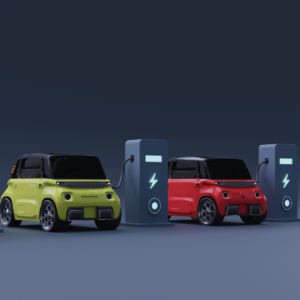

The future of autonomous vehicles promises to revolutionize transportation as society continues to embrace technological advancements. The integration of self-driving cars into daily life is expected to enhance road safety, reduce traffic congestion, and lead to significant changes in urban planning. As the Society of Automotive Engineers progresses in standardizing automation levels, the rollout of these vehicles is becoming more systematic and widespread.
Emerging trends highlight advancements in artificial intelligence and sensor technology, making vehicles more reliable and efficient. These developments are not only transforming how people travel but also influencing related industries, such as insurance and urban development. As public acceptance grows, the vision of a fully autonomous transport system is becoming increasingly attainable.
Experts anticipate a gradual shift toward fully autonomous ecosystems, where self-driving cars operate alongside traditional vehicles, laying the groundwork for safer and smarter transportation networks. With ongoing research and development, the next decade could define the role of autonomous vehicles in shaping the future of mobility.
Technological Advancements in Autonomous Driving
Recent advancements in autonomous driving technologies focus on enhancing sensor capabilities, improving AI algorithms, and defining levels of automation. These developments are crucial for creating safer and more efficient autonomous vehicles.
Sensor Technology and Machine Perception
Sensor technology is fundamental in enabling autonomous vehicles to perceive their surroundings accurately. Key components include:
- Cameras: Provide visual recognition of obstacles, road signs, and lane markings.
- LiDAR: Uses laser light to create high-resolution 3D maps of the environment.
- Radar: Complements LiDAR by detecting objects at various distances and speeds, ensuring reliability in various weather conditions.
The integration of these sensors allows for comprehensive environmental awareness. Machine perception algorithms process the data from these sensors, identifying and classifying objects, and enabling vehicles to respond appropriately in real-time.
Software Development and Artificial Intelligence
The role of software development in autonomous driving is pivotal. Advanced software leverages artificial intelligence to analyze sensor data and make driving decisions. Key advancements include:
- Machine Learning: Algorithms improve driving performance by learning from vast datasets.
- Computer Vision: Enhances the ability to recognize and interpret visual data from cameras.
This software ecosystem allows vehicles to adapt to complex driving environments. Continuous updates and improvements in algorithms ensure vehicles enhance safety and navigation efficiency.
Levels of Automation: L3 to L4 and Full Automation
Understanding levels of automation is essential for grasping the future of autonomous driving. The Society of Automotive Engineers (SAE) categorizes automation into levels:
- Level 3 (L3): Conditional automation where the vehicle can handle most driving tasks, requiring human intervention in specific scenarios.
- Level 4 (L4): High automation, allowing the vehicle to operate independently in defined environments without human intervention.
Full automation—often defined as Level 5—eliminates the need for human input entirely. These advancements are leading the way toward a future where autonomous vehicles can navigate complex urban environments safely.
Safety, Regulation, and Public Trust
Safety, regulation, and public trust are critical components that influence the adoption of autonomous vehicles. Addressing these elements helps in minimizing traffic accidents and gaining consumer confidence.
Enhancing Road Safety and Reducing Accidents
Autonomous vehicles have the potential to significantly enhance road safety by eliminating human error, which is a leading cause of traffic accidents. They utilize advanced sensors, cameras, and artificial intelligence to analyze their surroundings and make real-time decisions.
For instance, systems equipped with collision avoidance and emergency braking mechanisms can prevent potential accidents before they happen. Statistics indicate that fully autonomous vehicles could reduce accident rates by up to 90% by minimizing human errors.
However, these systems must continue to undergo rigorous testing to ensure reliability in diverse driving conditions, such as adverse weather and complex urban environments.
Although autonomous vehicles are designed to greatly reduce accidents, no system is completely fail-proof. Technical malfunctions, software glitches, or misinterpretations of road signals can still lead to collisions. In such situations, determining who is responsible can become complicated, as liability may involve vehicle manufacturers, technology developers, or even human operators monitoring the system.
When injuries occur, victims may struggle to navigate insurance claims or prove fault on their own. This is where seeking the support of a knowledgeable personal injury lawyer becomes crucial, ensuring legal representation for hurt drivers so they can pursue fair compensation for medical expenses, lost wages, and other damages.
Regulatory Frameworks and Government Involvement
Effective regulation is essential for the safe integration of autonomous vehicles into existing transportation systems. Governments need to establish clear regulations governing testing, deployment, and operation. These frameworks should encompass safety standards, insurance requirements, and data privacy issues.
For example, several jurisdictions have initiated pilot programs to create a structured environment for autonomous vehicles. Collaboration between automakers, technology firms, and regulatory bodies will be crucial in mitigating risks while promoting innovation.
Governments must also invest in infrastructure improvements to support autonomous systems, including smart traffic signals and dedicated lanes.
Building Consumer Confidence and Addressing Ethical Dilemmas
Public trust in autonomous vehicles hinges on transparency and accountability. Consumers need assurance that these vehicles will operate safely without posing undue risks.
Educational campaigns can help demystify the technology, emphasizing safety features and reliability metrics.
Moreover, ethical dilemmas also need to be addressed, such as decision-making in unavoidable accident scenarios. Frameworks for dealing with these dilemmas, including public discussion and ethical guidelines, will be necessary to build consumer confidence.
Furthermore, integrating voices from multiple stakeholders, including consumers, ethicists, engineers, and policymakers, can foster a broader understanding and encourage greater acceptance of autonomous driving technology.
At the same time, building confidence in autonomous systems also requires acknowledging the legal implications when accidents occur. Even with sophisticated algorithms and advanced safety mechanisms, no technology is entirely risk-free.
Consequently, when collisions result in injuries or property damage, determining liability can become complex, potentially involving manufacturers, software developers, and vehicle operators.
Impact on Society and Business Models
The advent of autonomous vehicles is poised to transform mobility and redefine business models across various sectors. Key themes include enhanced accessibility for diverse populations, innovative service models, and shifts in urban planning and market dynamics.
Changing Mobility and Accessibility
Autonomous vehicles (AVs) promise significant advancements in mobility and accessibility. They can serve as a vital resource for individuals with disabilities, the elderly, and those without access to personal vehicles. As ride-sharing services evolve with driverless technology, users will experience improved convenience and efficiency.
Moreover, the integration of AVs into public transportation systems can reduce congestion and optimize routes. This will lead to shorter travel times and lower emissions. With greater accessibility comes the potential for increased social equity, ensuring that underserved communities benefit from improved transportation options.
Emerging Business Models in the Autonomous Vehicle Ecosystem
New business models are emerging alongside the development of autonomous vehicle technology. Mobility as a Service (MaaS) is gaining traction, integrating multiple modes of transport into a single user-friendly platform. Users can subscribe to services offering access to various transportation options, from ride-sharing to public transit.
Subscription models for AVs are becoming popular, allowing customers to pay for usage without long-term commitments. This flexibility appeals to urban dwellers who may not own a vehicle but require occasional access. Companies are also exploring partnerships with tech firms, municipalities, and fleet operators to maximize profitability in this evolving market.
To sustain these new business models and ensure high customer satisfaction, fleet operators must prioritize efficient vehicle maintenance and refurbishment. The continuous operation of autonomous vehicles in urban environments means components like alloy wheels are constantly exposed to wear and tear, necessitating regular upkeep to maintain both aesthetics and structural integrity.
For professional refurbishment centers handling high volumes of wheels from these fleets, quick and effective solutions are paramount. Specialised processes, such as using chemical for stripping alloy wheels, automated blasting systems, thermal cleaning methods, and advanced wheel-straightening machines, become indispensable for rapidly preparing surfaces for recoating. These techniques help minimise downtime, maintain consistent quality, and extend the operational lifespan of the vehicles. This focus on industrial-grade maintenance solutions directly contributes to the long-term profitability and reliability of autonomous mobility services.
Maintaining the exterior of these vehicles is just as important as the mechanical parts. Regular cleaning and paint protection help keep the sensors clear and the body in good condition. Many owners and fleet managers look for professional services to handle these tasks. A company like Star Bright Appearance provides the specialized care needed so a car looks its best. This type of attention prevents long-term damage from road debris and weather. It also helps preserve the value of the vehicle over time.
Influence on the Passenger Car Market and Urban Planning
The impact of autonomous vehicles extends to the passenger car market, where traditional ownership models are shifting. As more consumers opt for on-demand mobility solutions, the demand for personal vehicles may decline. This trend could lead manufacturers to reconsider production strategies and focus on fleets of shared AVs.
In urban planning, cities will need to adapt infrastructure to accommodate AVs. This may include dedicated lanes, charging stations, and redesigned traffic systems to facilitate efficient movement. Innovations in zoning laws might also emerge, emphasizing mixed-use developments that prioritize accessibility and sustainability.
Looking Ahead: The Road to Autonomous Mobility
The future of autonomous vehicles centers around expanding services and developing long-term visions. Key players in the industry are experimenting with various models to enhance urban mobility and reduce congestion.
Expansion of Autonomous Services
Autonomous services are increasingly gaining traction, with companies like Waymo and Cruise leading the way. These services, particularly in urban settings, enable the deployment of robotaxi fleets that operate efficiently without human drivers.
Subscription models are emerging, allowing users to access these robo-taxis on demand. This flexibility caters to diverse transportation needs, potentially decreasing traffic congestion. The integration of autonomous vehicles into public transport systems can further streamline city mobility, making it more efficient and responsive.
Long-Term Visions and Predictions
Looking ahead, experts predict autonomous vehicles will play a crucial role in urban infrastructure. As technology advances, these vehicles are expected to communicate with each other and traffic management systems, enhancing road safety and efficiency.
With continued investment and development, cities may transition towards smart transportation networks powered by AI. This evolution could lead to reduced travel times and lower emissions, ultimately transforming urban landscapes. Companies are likely to engage in partnerships to optimize the use of these vehicles, ensuring that the shift to autonomy aligns with sustainable practices.