
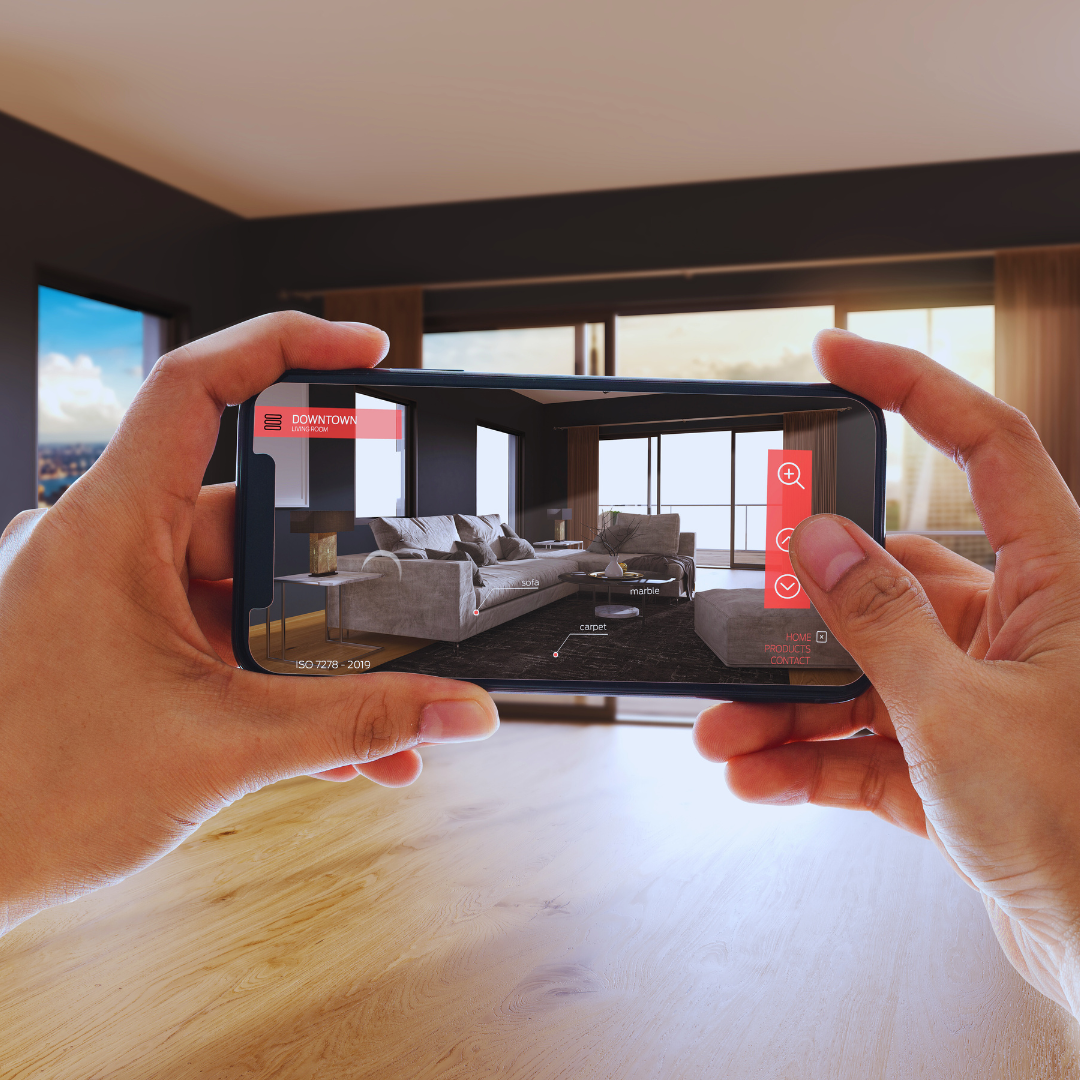
Augmented reality (AR) is revolutionizing the retail landscape by enhancing the way consumers interact with products and brands. This technology enables customers to visualize items in their own environment, leading to more informed purchasing decisions and a more engaging shopping experience. Retailers are increasingly adopting AR to provide immersive experiences that can capture consumer attention and drive sales.
With features such as virtual try-ons and interactive product displays, AR bridges the gap between online convenience and in-store experience. Shoppers can see how furniture looks in their living rooms or how clothing fits without having to step into a fitting room. This seamless integration of technology not only improves customer satisfaction but also encourages brand loyalty.
As businesses continue to explore innovative uses for AR, the retail sector stands to gain significant advantages. The ability to provide unique experiences attracts tech-savvy consumers and sets brands apart in a competitive market. Retailers embracing augmented reality will likely see positive impacts on both customer engagement and sales.
Augmented Reality in the Retail Sector
Augmented reality (AR) is transforming the retail sector by enhancing customer experiences and fostering engagement. This technology allows customers to interact with products in innovative ways, while also raising concerns about data privacy and security.
Defining Augmented Reality and Its Role in Retail
Augmented reality integrates digital information with the physical world. In retail, it is used to overlay product information, visualizations, and interactive features onto real-world objects. This can include features like virtual try-ons, where customers can see how clothing or accessories look on them without physically trying them on. Retailers like IKEA use AR apps to allow customers to visualize furniture in their own homes, making the buying decision more informed and engaging.
The Impact of AR on Customer Experiences and Engagement
AR significantly enhances customer experiences by providing immersive and interactive ways to explore products. Retailers leverage AR to create unique marketing campaigns that catch consumer attention. For instance, brands may use AR to enable users to scan a product and see a video demonstration or additional content. Engagement rates can increase, as customers spend more time interacting with products.
- Benefits of AR in Retail:
- Improved product visualization
- Increased consumer confidence in purchases
- Higher levels of customer engagement and satisfaction
Data Privacy and Security in AR Shopping
While AR offers substantial benefits, it also poses challenges concerning data privacy and security. Retailers collecting data through AR applications must ensure user information remains secure. These applications often require access to camera and location data, which raises privacy concerns. Customers may hesitate to fully engage with AR technology if they fear misuse of their personal data.
- Key Privacy Considerations:
- Transparency about data use
- Implementing robust security measures
- Educating customers on data protection practices
Maintaining trust is essential for retailers to successfully adopt AR technology and enhance the shopping experience without compromising customer privacy.
Enhancing the Shopping Experience with AR
Augmented reality is significantly transforming retail by providing immersive and personalized shopping experiences. This technology allows consumers to engage with products in innovative ways, leading to more informed purchasing decisions.
Immersive Shopping Experiences
AR technology creates immersive shopping environments that engage customers beyond traditional methods. Retailers can develop apps that overlay digital elements in physical spaces, allowing customers to interact with products in real-time. For instance, by using AR, shoppers can explore detailed information about items or see them in their own environment.
IKEA utilizes an app called IKEA Place, which helps users visualize furniture in their homes. Customers can point their devices at a space, and the app overlays a digital version of the selected furniture, ensuring it fits both style and size.
Virtual Try-Ons and Visualization
Virtual try-ons are one of the most popular applications of AR in retail. Customers can use AR to see how clothing, accessories, or cosmetics will look on them without needing to physically try them on. This technology enhances the shopping experience by reducing uncertainty and boosting confidence in purchase decisions.
For example, beauty brands like Sephora offer virtual make-up trials. Users can see how various shades look on their own faces via their smartphones. This convenience not only saves time but also encourages customers to explore new products.
Personalized Shopping Through Augmented Reality
Personalization plays a crucial role in enhancing the shopping experience with AR. Retailers can leverage data and AR to deliver tailored recommendations. By analyzing customer behavior and preferences, AR applications can suggest products that match individual styles.
This approach improves engagement and customer satisfaction. Brands can also use AR for personalized promotions. For instance, showing exclusive offers when a shopper points their phone at certain products creates a unique and tailored retail experience that can increase conversions.
Driving Retail Innovation Through AR Technology
Augmented reality (AR) is reshaping how retailers engage with customers. Innovative tools are being employed to enhance shopping experiences and improve operational efficiencies. Key advancements include interactive product displays, reductions in return rates, and transformative AR applications in e-commerce.
Interactive Product Displays and Information
AR technology enables retailers to create immersive and interactive product displays. Shoppers can visualize products in their own environment through their smartphones or AR glasses. This allows customers to assess size, color, and functionality before making a purchase.
For example, Warby Parker leverages AR by offering a virtual try-on feature that allows customers to see how glasses will look on their faces. This reduces hesitation during the shopping process and cultivates a more engaging experience. Retailers benefit from enhanced customer interaction, leading to increased sales and brand loyalty.
Reduced Return Rates and Increased Buyer Confidence
AR applications can significantly reduce return rates by providing accurate product visualization. When customers can virtually try products such as clothing or furniture, they make informed decisions, minimizing the chances of dissatisfaction. This boosts buyer confidence.
A study showed that retailers using AR solutions reported up to a 30% reduction in returns. By offering realistic previews, customers are more likely to find products that meet their expectations. Enhanced confidence translates to higher conversion rates and long-term customer retention, vital for success in the competitive retail market.
AR Apps and Platforms Transforming E-Commerce
Various AR apps and platforms are transforming the e-commerce landscape. Retailers can integrate AR tools into their existing e-commerce websites, providing a seamless shopping experience. These applications enhance product displays, allowing shoppers to interact with items through their devices.
For instance, many brands now offer AR features that let users visualize furniture in their living spaces or makeup on their faces. These innovations streamline the online shopping process, addressing common pain points while driving sales. Ultimately, AR technology plays a crucial role in modernizing retail, making shopping more engaging and efficient.
The Future of Shopping: AR and Beyond
Augmented reality (AR) is poised to redefine retail experiences by combining physical shopping with digital enhancements. As new trends emerge and challenges to user adoption arise, the long-term implications for physical retail will become increasingly important in shaping customer and brand loyalty.
Emerging Trends in AR and Retail
Retailers are increasingly adopting AR technology to enhance the shopping experience. Innovations include virtual try-ons, interactive store displays, and immersive product demonstrations. Brands like IKEA allow customers to visualize furniture in their homes through AR apps, improving purchase confidence.
The integration of AR with mobile commerce is becoming more common. A growing number of retailers are investing in AR apps that facilitate seamless shopping experiences. For example, beauty brands are offering virtual makeup try-ons, allowing consumers to experiment with products before purchasing.
These trends indicate a shift towards personalization and convenience. Customers can engage with products in ways that were not previously possible, leading to enhanced satisfaction and loyalty.
Challenges to User Adoption and Market Growth
Despite the exciting potential of AR, several barriers hinder widespread adoption. One key challenge is the technological gap among consumers. Many individuals may not own compatible devices or may lack familiarity with AR applications.
Additionally, privacy concerns play a significant role in user hesitance. Consumers are becoming more cautious about sharing personal information and location data with retailers. Building trust through transparent policies can mitigate these concerns and encourage greater user adoption.
Retailers must also consider the cost of implementing AR technology. High initial investments in software development and hardware can be daunting for smaller businesses, potentially limiting market growth.
Forecasting the Long-Term Implications for Physical Retail
As AR technology becomes more integrated into retail, physical stores will need to adapt. The traditional shopping model may evolve into a hybrid experience where digital and physical elements coexist. Brands must develop strategies that leverage AR to enhance in-store experiences.
Customer loyalty will likely hinge on how well retailers implement AR solutions. Brands that can create engaging, interactive, and personalized shopping experiences may foster stronger relationships with consumers.
Ultimately, the integration of AR in retail will result in more informed shoppers. This knowledge can cultivate brand loyalty, dictating the future landscape of physical retail in a competitive market.