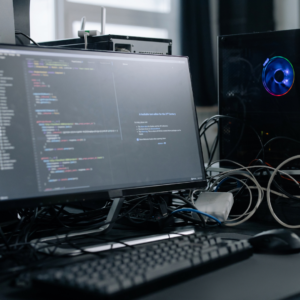

As technology continues to evolve, the intersection of AI and cybersecurity becomes increasingly significant. Organizations face mounting threats from cybercriminals who exploit vulnerabilities within their systems. Artificial intelligence offers innovative solutions to enhance cybersecurity measures, making it possible to predict, prevent, and respond to attacks more effectively.
The integration of AI in cybersecurity enables real-time data analysis, facilitating the identification of potential threats before they escalate. Automation allows for faster incident response, reducing downtime and potential damage. With AI systems continuously learning from new data, they become more adept at recognizing patterns associated with malicious activities.
This synergy not only bolsters an organization’s defenses but also optimizes resource allocation. As the complexity of cyber threats grows, the partnership between AI and cybersecurity is essential for safeguarding sensitive information and maintaining operational integrity. The advancements in this field promise a more secure digital landscape for businesses and individuals alike.
The Rise of AI in Cybersecurity
Artificial Intelligence (AI) is increasingly becoming a vital component in enhancing cybersecurity measures. Its application in threat detection, predictive analysis, and vulnerability management showcases how organizations can leverage technology to identify and mitigate risks effectively.
Transforming Threat Detection
AI systems utilize advanced algorithms to process vast amounts of data rapidly. This capacity enables real-time threat detection previously unimaginable with traditional methods.
Machine learning models can analyze network activity to identify unusual patterns, which often indicate potential breaches. Such capabilities allow security teams to focus on high-priority incidents rather than sifting through countless alerts.
- Anomaly Detection: By establishing baseline behavior models, AI can pinpoint deviations effectively.
- Automated Responses: Many AI systems can automatically respond to threats, minimizing damage.
Predictive Analysis and Threat Intelligence
Predictive analysis utilizes AI to anticipate future threats based on historical data. This proactive approach allows organizations to prepare strategically.
AI tools can aggregate threat intelligence from various sources, identifying emerging risks before they escalate. By analyzing trends, organizations can forecast which vulnerabilities might be exploited next.
- Threat Landscape Visualization: AI can create visual models of potential threat scenarios.
- Dynamic Intelligence Updates: Continuous learning systems ensure that threat intelligence remains current and relevant.
Machine Learning in Vulnerability Management
Machine learning is crucial in identifying vulnerabilities in software and systems. It enables organizations to prioritize vulnerabilities based on the likelihood of exploitation.
AI models evaluate various factors, such as attack vectors and historical exploits, to assess risk levels. This prioritization helps allocate resources effectively in patching and remediation efforts.
- Automated Scanning: Routine vulnerability scanning is streamlined through AI.
- Remediation Recommendations: AI-driven insights provide actionable recommendations for improving security posture.
AI-enhanced Cyber Defense Mechanisms
AI technologies are transforming how organizations approach cyber defense. By leveraging real-time analytics, adaptive systems, and advanced authentication methods, they significantly improve security capabilities against increasingly sophisticated threats.
Real-Time Threat Detection and Mitigation
AI-powered tools analyze vast amounts of data continuously to identify potential threats. These systems utilize machine learning algorithms that can recognize patterns and anomalies indicative of cyber attacks.
For instance, AI can monitor network traffic in real-time, flagging unusual behavior or activities. When a potential threat is detected, automated responses can be initiated, such as isolating affected systems to prevent lateral movement.
This proactive approach drastically reduces response times, enabling organizations to address vulnerabilities before they can be exploited. The integration of threat intelligence data further enhances these capabilities by providing context to identified risks.
While large enterprises often build custom platforms to handle these tasks, smaller organizations usually need external support. Managed service providers can deploy and maintain these complex security tools on behalf of their clients. For instance, the team at sabreitservices.com helps small businesses implement active monitoring and threat response systems. This approach allows smaller firms to maintain strong defenses without hiring a dedicated internal IT team. It keeps critical business data safe while letting the staff focus on daily operations.
Enhancing Authentication and Access Control
AI enhances traditional authentication methods through advanced techniques such as biometric recognition and behavioral analytics. By analyzing user behavior patterns, AI systems can identify deviations that may indicate unauthorized access attempts.
Implementing these advanced access controls can be difficult for smaller firms without a dedicated IT department. Many businesses choose to outsource their security setup to local experts who understand these technologies. A managed service provider like Net Primates helps companies configure secure authentication systems. They ensure that only authorized staff can access sensitive business data. This proactive support keeps systems safe while letting employees focus on their work.
Multifactor authentication (MFA) complemented by AI can assess risk levels based on user location, device, and historical behavior. This allows for more granular access controls, ensuring that only authorized users can access sensitive information.
Moreover, AI can continuously adapt to changes in user behavior, improving security measures dynamically. This adaptability helps organizations stay ahead of emerging threats and reduces reliance on static security protocols.
Adaptive Security Solutions
AI enables organizations to implement adaptive security solutions that evolve with the threat landscape. These systems continuously learn from new data, enhancing their ability to detect and respond to attacks.
Through the use of AI, organizations can develop security solutions that automatically adjust policies based on current risk levels. For example, if a new vulnerability is identified, AI can modify access rights or increase monitoring of affected systems.
This ongoing adaptability ensures that security measures remain effective against both known and unknown threats. By integrating AI into the cybersecurity framework, organizations can create a robust defense that is both responsive and proactive.
Challenges and Risks of AI in Cybersecurity
The intersection of AI and cybersecurity presents various challenges and risks. AI technologies can enhance cybersecurity measures, yet they also open avenues for misuse by cybercriminals. Key issues include the rise of AI-powered cyberattacks, the need for a balance between automation and human oversight, and the imperative to ensure data privacy while minimizing false positives.
AI-Powered Cyberattacks and Countermeasures
AI has enabled cybercriminals to develop sophisticated attacks. Techniques like automated phishing schemes, malware generation, and deepfake technology enable malicious actors to target individuals and organizations effectively.
AI can rapidly analyze vulnerabilities in systems, creating opportunities for exploitation. Consequently, defenders in cybersecurity must adopt advanced AI tools to counter these threats.
Continuous monitoring and evaluation of AI-driven systems are vital. Implementing machine learning models could help in identifying anomalies, and combatting evolving threats with actionable insights.
Balancing Automation and Human Oversight
Automation within cybersecurity can accelerate threat detection and response time. However, over-reliance on automated systems can lead to critical oversights.
Human expertise remains essential in interpreting complex data, making nuanced decisions, and addressing situations that require ethical considerations. AI may streamline processes, yet human judgment is crucial in validating alerts and responding to incidents.
Collaboration between automated systems and human analysts can enhance effectiveness. This hybrid model enables rapid threat analysis and fosters a more robust cybersecurity posture.
Ensuring Data Privacy and Reducing False Positives
AI technologies often require vast amounts of data for learning. This raises significant concerns about data privacy. Organizations must navigate regulations while ensuring that customer data is handled responsibly.
False positives remain a challenge in AI-based security measures. Frequent alerts can overwhelm security teams, leading to alert fatigue.
To minimize this, organizations can implement refined algorithms to filter alerts effectively. This ensures that genuine threats are prioritized and human resources are utilized efficiently, ultimately enhancing the integrity of security protocols.
Case Studies and Future Outlook
AI’s integration into cybersecurity presents promising advancements backed by real-world applications and future projections. Notable case studies reveal how organizations enhance digital security, while foresight into AI’s role indicates evolving defense strategies.
Analyzing Successful AI Cybersecurity Applications
One prominent case study involves the application of predictive analytics by a large financial institution. This organization utilized AI to monitor network traffic, identifying anomalies indicative of cyber threats. By implementing machine learning algorithms, it reduced the time taken to detect threats from hours to minutes.
Another example is the deployment of AI in digital infrastructures within healthcare. AI systems learned from past cyber incidents, allowing them to proactively mitigate risks and protect sensitive patient data. These applications demonstrate AI’s capability to transform cybersecurity measures effectively.
The Future of AI in Cyber Defense Strategies
The future of AI in cybersecurity is likely to focus on advanced threat detection and response mechanisms. Emerging trends suggest a shift towards autonomous systems capable of adapting to new types of cyber warfare. By leveraging AI, organizations can anticipate and react swiftly to evolving tactics employed by cybercriminals.
Furthermore, integrating AI with blockchain technology may enhance data integrity and security. As threat landscapes continue to evolve, AI will play a crucial role in developing robust cybersecurity solutions. Organizations prioritizing AI adoption will likely maintain a competitive edge in safeguarding their digital assets.