Instant communication, streaming movies, and managing businesses – all these have become possible thanks to the internet. But ever wondered what is happening backstage? Networking – a really complex system that connects all of your devices, data, and online services – holds the key.
What is Networking?
In a nutshell, networking defines how computers and other devices interconnect to share information. Every time you send a message or make a video call to connect with your friends on social media or keep tabs on a news update, data gets sent between your device and others. More times than not, it gets routed via a few routers, servers, and switches along the way. These devices work together to ensure that information can be effectively passed from one point to another.
For example, the message you intend to relay through an email is not sent directly to the recipient. Instead, you are passing it over several tools and servers of a network that will ensure that the information reaches the other party. For example, while browsing the net, playing online games, or watching videos, this process takes place. What made this possible without a hitch was the effective networking infrastructure.
Wired vs. Wireless Networks
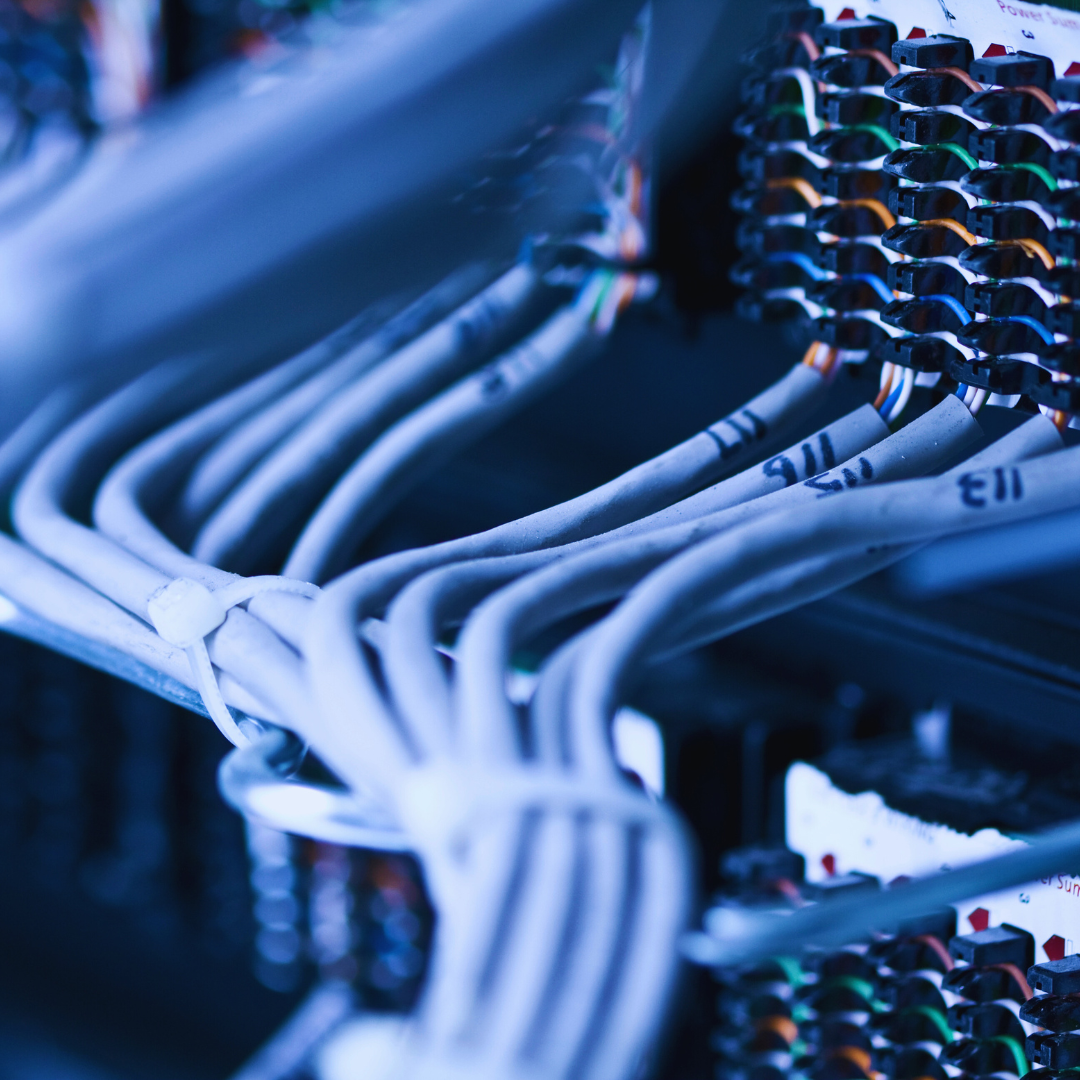
Actually, the two basic networks include wired and wireless. Wired networks utilize physical cables such as Ethernet cables to connect the devices; these tend to be pretty stable and secure due to higher speeds thereby being considered ideal for mission-critical uses by various businesses. Due to minimal interference or dropped signals, wired networks find it hard to face issues with them. They would be ideal and perfect when a reliable high-speed connection is required, like in a data center.
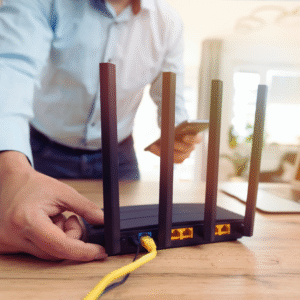
The other kinds of wireless networks, like Wi-Fi, use radio waves to connect devices. It never requires any physical wires. The network gives you on-the-go mobility so you can stay free and connected. In a store home a café or even the airport, your devices would be online without having to worry about plugging into a source. However, wireless connections sometimes are slow and unstable, particularly if you are competing for bandwidth with many devices or when you are fairly distant from the Wi-Fi router.
The Importance of Wi-Fi in Everyday Life
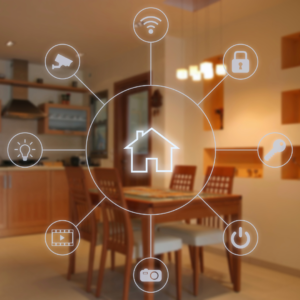
Of course, Wi-Fi has become part of our lives: now, there are laptops and smartphones, and even smart home devices like security cameras or a voice assistant. It gives people the freedom to browse the internet, watch movies, and talk to colleagues or friends virtually from anywhere, and Wi-Fi technology continues to evolve toward newer standards like Wi-Fi 6 and Wi-Fi 7, bringing faster speeds, better performance in crowded environments, and improved energy efficiency for connected devices.
But even with such advancements in wireless technology, it still has its challenges. The distance between your device and the router, physical obstructions like walls, and interference from other electrical devices can all impact the quality of your Wi-Fi connection. It is for this reason that many people use a mesh network or Wi-Fi extender to enhance coverage when it comes to very large houses or offices.
The Future of Connectivity: 5G and Beyond
With the increased day-to-day interconnections of devices, the demand for more reliable and faster networks also increases. 5G represents the fifth generation of mobile network technology that is revolutionizing the way we connect, offering faster speeds, lower latency, and a greater capacity to support many more devices at the same time. It’s speeding up mobile internet but also bringing new technologies such as smart cities, smart autonomous vehicles, and remote surgeries.
These developments will bring to reality what was once considered impossible, especially when placed into the context of healthcare, education, and entertainment. Think about this: with 5G, you can download a full HD movie in seconds, and doctors can do surgeries from another country with the least delay in communication.
Network Security Protects What Matters
Today, with so much data happening in a network, importance follows cybersecurity. The hacking of networks, whether personal information or business, is the general targeting that these hackers do. Therefore, data protection requires different technologies that include firewalls, encryption, antivirus software, and multi-factor authentication tools to protect against cyber threats, be it malware or phishing attacks and data breaches.
On a personal level, you can assist in securing your network with strong passwords, enabling encryption on your Wi-Fi router, and keeping your devices up to date with the latest security patches.
Conclusion
In summary, modern networking forms the backbone of our digital lives. It connects our devices, powers our favorite apps, and keeps businesses running smoothly. From wired offices to Wi-Fi homes and the emerging 5G technology, networking continues to evolve, shaping the way we live, work, and interact. The more we rely on the internet, then the better understanding of how networking works and the significance of network security will help us appreciate the intricate system that keeps us connected.