
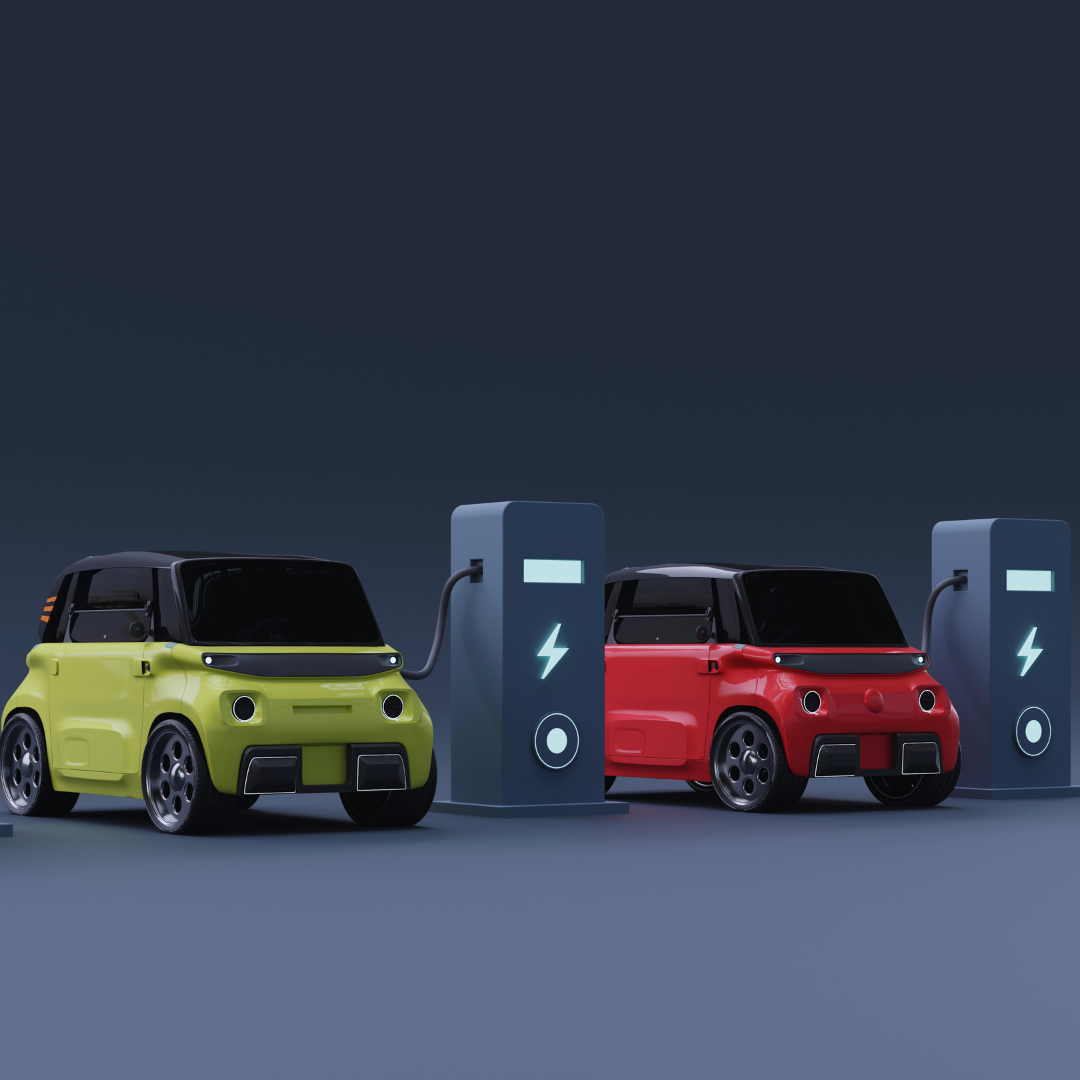
The future of electric vehicles (EVs) is shaping up to be a pivotal element in the global transition away from fossil fuels. As advancements in battery technology and charging infrastructure continue to evolve, electric vehicles are positioned to become the dominant mode of transportation within the next decade. With growing concerns about sustainability, cities worldwide are implementing policies that encourage the adoption of EVs, paving the way for a cleaner and more efficient transportation system.
Innovations in manufacturing and energy sources are making electric vehicles more accessible and affordable for consumers. Major automotive manufacturers are investing heavily in EV development, which signals a commitment to an electric future. The shift not only reduces carbon emissions but also fosters a new economy centered around renewable energy and sustainable practices.
Public sentiment is increasingly leaning toward eco-friendly solutions, driving demand for electric vehicles. This societal change reflects a broader understanding of the importance of sustainability in combating climate change. As electric vehicles gain traction, they promise to transform how society views transportation and its environmental impact.
Evolution of Electric Vehicle Technology
Electric vehicle technology is progressing rapidly, particularly in terms of battery innovation, powertrain development, and enhancements in driving experiences. These advancements are reshaping the landscape of the automotive industry, making electric vehicles (EVs) more efficient, powerful, and user-friendly.
Advancements in Battery Technology
Battery technology has witnessed significant improvements. Traditional lithium-ion batteries are now being complemented by solid-state batteries. These offer higher energy densities and improved safety profiles.
Fast charging capabilities have also evolved. Many modern EVs support charging systems that can deliver 800-volt architecture, enabling quicker charging times. For instance, a 105-kWh battery can achieve 300 miles of range in under 20 minutes with this technology.
Battery sizes have varied to accommodate different needs. A 77-kWh battery provides a balance between range and vehicle weight, while larger batteries ensure long-distance travel. This versatility allows consumers to select EVs that fit their lifestyle.
Electric Powertrains and Performance
The electric powertrain represents a major shift in vehicle dynamics. With advancements in technology, many EVs now produce remarkable power outputs. For example, some models deliver up to 517 hp, facilitating impressive performance metrics.
Acceleration times have decreased significantly too. Certain electric vehicles can reach 0-60 mph in under three seconds, rivaling traditional sports cars. All-wheel-drive systems enhance traction, improving handling and driving performance, particularly in adverse weather conditions.
Battery efficiency also plays a key role in maximizing the driving experience. Improved power management systems enable EVs to achieve ranges of up to 400 miles, meeting consumer demand for practicality.
Driving Experience and Autonomous Features
The integration of autonomous driving features is redefining how drivers interact with their vehicles. Advanced sensors and software allow for semi-autonomous functions, such as adaptive cruise control and lane-keeping assistance.
Moreover, the driving experience is enhanced through intelligent infotainment systems and connectivity options, keeping drivers informed and engaged. Many EVs now offer over-the-air software updates, allowing manufacturers to improve vehicle performance and add new features without requiring a visit to a service center.
Safety features, including automatic emergency braking and collision detection, are standard in many electric vehicles. These attributes contribute to a safer driving environment and a more enjoyable travel experience.
Market Evolution and Consumer Adoption
The electric vehicle (EV) market is undergoing significant transformation, driven by consumer demand, advancements in technology, and sustainability goals. Key aspects include market growth, shifts in manufacturer strategies, and challenges ahead in infrastructure and consumer acceptance.
Global EV Market Overview
The global EV market has seen remarkable growth. In 2023, over 10 million electric vehicles were sold worldwide, a number projected to increase as automakers expand their electric offerings. Countries like Norway and China lead in EV adoption, driven by government incentives and a strong focus on reducing emissions.
As market demand grows, many first-time buyers face the challenge of financing these modern vehicles. Securing a budget-friendly option is often the first step in the purchasing process. Comparing different lenders allows buyers to find the best electric car loan rates available today. This financial preparation helps individuals manage their monthly expenses while transitioning to a cleaner mode of transport. Ultimately, proper planning makes the switch to an electric vehicle much more manageable.
In contrast, markets in the United States and Europe are rapidly evolving. Major cities are enhancing policies that promote electric mobility, and the presence of charging stations is steadily increasing. This is crucial for supporting the anticipated rise in EV ownership.
Manufacturers’ Electric Line-Ups
Major manufacturers are aggressively entering the EV space. Tesla continues to dominate with models like the Cybertruck, while Ford’s F-150 Lightning and Rivian’s R1T are making strides in the electric pickup segment. General Motors showcases its commitment to electrification with models such as the Chevrolet Bolt and plans for future vehicles across its brands.
European brands like Audi and Porsche are introducing high-performance electric models, appealing to enthusiasts. Honda is also investing in EV technology, focusing on sustainable practices and battery efficiency. This shift highlights a competitive landscape where traditional automakers adapt to meet consumer expectations.
Challenges and Planning for the Future
Despite the growth, challenges persist. Charging infrastructure remains a critical barrier to consumer adoption. As of 2023, approximately 38% of Americans expressed concerns over charging availability. Increased investment in fast-charging stations is essential for growth, with many automakers joining forces to fund infrastructure projects.
Manufacturing complexity can be another area getting more attention as EV production scales up. Structural components like the chassis demand highly precise fabrication techniques, and processes such as sheet metal fabrication have become central to producing lightweight yet durable EV frames that can meet both performance and safety standards. Getting these processes right at scale is just as important as the technology inside the vehicle itself.
Additionally, sustainability within the EV lifecycle needs attention. Recycling of batteries, which contain valuable materials, is being prioritized to minimize environmental impact. Strategies that address both infrastructure and sustainable practices will be vital for the seamless integration of electric vehicles into mainstream transportation.
Sustainable Measures and Environmental Impact
As the electric vehicle (EV) industry evolves, significant sustainable measures are being implemented. These initiatives focus on reducing fossil fuel reliance, enhancing recycling efforts, and promoting supportive government policies.
Reducing Dependency on Fossil Fuels
Electric vehicles play a crucial role in decreasing the world’s reliance on fossil fuels. With advancements in battery technology, EVs use electricity generated from renewable sources such as wind and solar.
This shift not only lowers greenhouse gas emissions but also enhances energy security. Key to this effort is the growth of electric infrastructure, including charging stations that facilitate clean energy use.
Transitioning to an electric future requires collaboration between manufacturers, energy providers, and consumers to create integrated solutions that promote sustainability.
Recycling Programs and Lifecycle
The lifecycle of electric vehicles involves multiple stages, and recycling is essential for sustainability. Many manufacturers are implementing programs that recover valuable materials like lithium, cobalt, and nickel from old batteries.
These initiatives reduce the environmental footprint of battery production and minimize waste. Proper recycling ensures that hazardous materials are managed responsibly, preventing pollution and ecosystem damage.
As the demand for electric vehicles increases, developing efficient recycling processes will be critical for a sustainable future in automotive transportation.
Government Policies and Incentives
Government policies play a vital role in promoting electric vehicle adoption and sustainability. Incentives such as tax credits, rebates, and grants encourage consumers to choose electric vehicles over traditional models.
Many governments are also setting ambitious targets for reducing carbon emissions, further pushing the market toward electric solutions.
Investment in EV infrastructure and research grants for innovative battery technology support long-term sustainability goals. These efforts foster a more integrated approach to reducing dependence on fossil fuels while enhancing the electric vehicle market.
Electric Vehicle Infrastructure Development
The growth of electric vehicles relies heavily on the development of robust infrastructure and advanced charging technologies. Expanding charging networks and innovating charging solutions are critical components in supporting the increasing number of electric vehicles on the road.
Expansion of Charging Networks
A comprehensive charging network is essential for the widespread adoption of electric vehicles. Many cities and regions are investing in the establishment of more charging stations, addressing range anxiety among potential electric vehicle users.
Key factors in network expansion include:
- Urban and rural coverage: Strategic placement of charging stations in urban centers and along major highways ensures accessibility.
- Collaboration with private companies: Public-private partnerships can expedite the installation process and help integrate charging stations into existing infrastructure.
Moreover, this growth isn’t limited to public networks. As EV adoption continues to rise, businesses and homeowners are increasingly collaborating with licensed experts who offer electrical services in Tampa Bay (or elsewhere) to install charging stations on their own properties. This shift not only supports daily charging needs but also contributes to a more robust and convenient charging ecosystem overall.
Beyond charging infrastructure, maintaining other critical vehicle components is equally important for ensuring a vehicle’s longevity and aesthetic appeal. Alloy wheels, for instance, are constantly exposed to road hazards and can suffer from kerb scuffs, corrosion, or general wear, detracting from a vehicle’s overall look and potentially compromising its structural integrity over time.
Addressing these issues promptly through professional services can significantly extend the life of the wheels and enhance the car’s resale value. Specialized workshops offer comprehensive rim refurbishment and recoating, restoring them to their original condition or even customizing their finish. This attention to detail ensures that the entire vehicle, from its advanced powertrain to its visible exterior, remains in optimal condition.
Innovations in Charging Tech
Advancements in charging technology are vital for reducing charging time and improving user experiences. One notable innovation is fast charging, significantly shortening the downtime associated with recharging electric vehicles.
Key innovations include:
- 800-volt architecture: This technology enables faster charging rates, allowing compatible vehicles to recharge to 80% in under 20 minutes.
- Wireless charging: Emerging technologies like inductive charging provide convenience, allowing vehicles to charge without plugging in.
Additionally, software integration enhances the overall charging experience. Smart systems can monitor energy demand and optimize charging times to help balance load on the grid. These developments ensure the infrastructure keeps pace with electric vehicle growth, making ownership more convenient and attractive.