
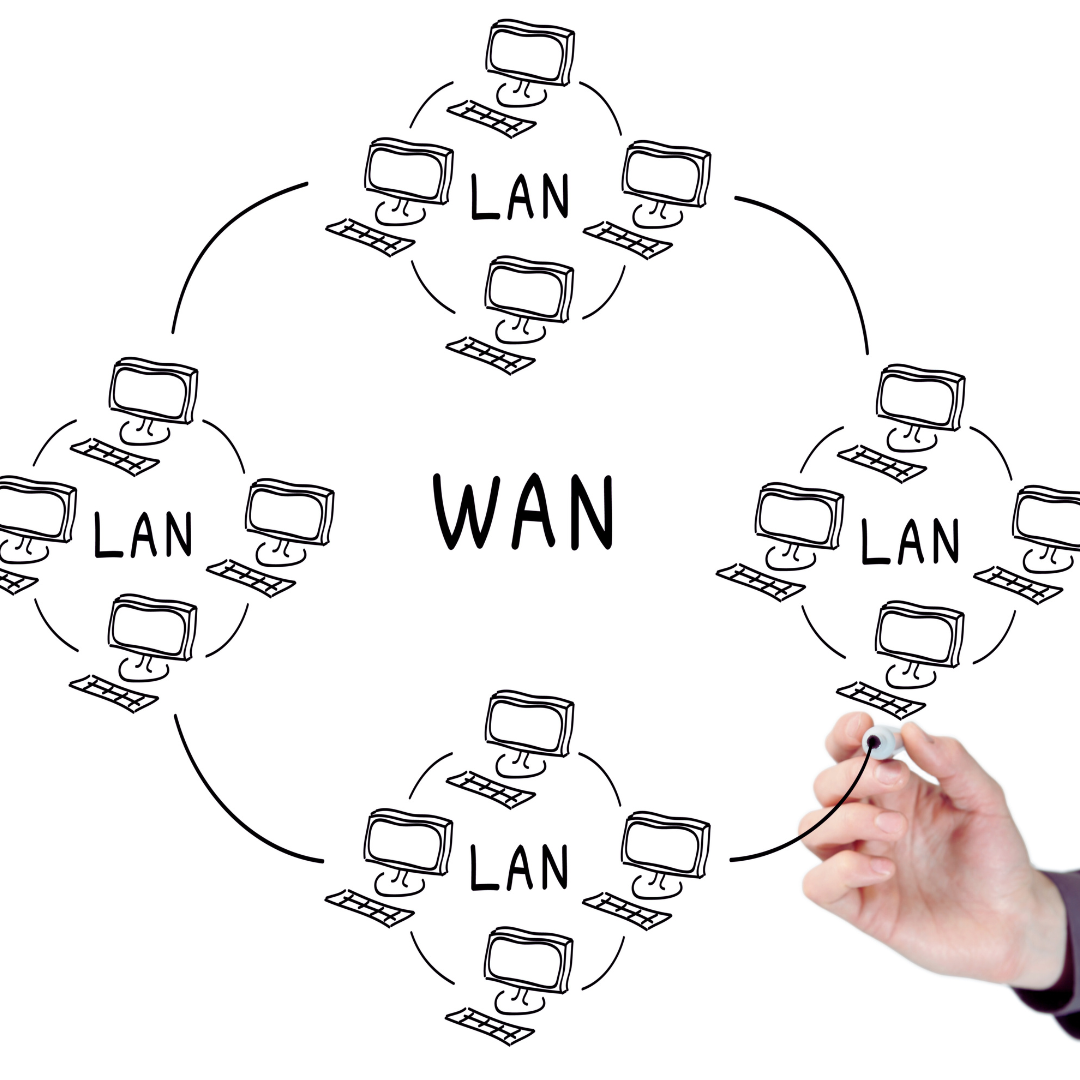
As organizations increasingly rely on cloud applications and remote access, the demand for efficient network solutions has never been higher. SD-WAN stands out as a revolutionary WAN technology that enhances performance, offering greater agility and flexibility for businesses. This solution allows companies to manage their wide area networks more effectively, optimizing bandwidth usage while improving application performance.
With SD-WAN, companies can adapt to changing requirements swiftly, ensuring seamless connectivity across multiple locations. It leverages a combination of different connection types, allowing firms to prioritize critical applications and improve overall user experience. This modern approach not only reduces costs but also simplifies network management, making it an attractive option for forward-thinking businesses.
Exploring SD-WAN reveals its potential to transform how organizations operate in a digital landscape. By investing in this technology, businesses can future-proof their networks, ensuring they remain competitive in an ever-evolving market.
Understanding SD-WAN
Software-Defined WAN (SD-WAN) represents a significant shift in the management of wide-area networks. It utilizes software-defined networking principles to optimize and enhance network performance, security, and adaptability.
Evolution from Traditional WAN Solutions
Traditional WAN solutions typically depended on fixed MPLS circuits, leading to high costs and rigidity. These networks were often complicated, requiring significant hardware investments and manual configurations, which limited flexibility.
With the rise of cloud computing and the increasing demand for adaptable connectivity, organizations sought alternatives that could scale more efficiently. SD-WAN emerged to address these challenges by providing centralized management, dynamic path selection, and the ability to leverage multiple connectivity options such as broadband, LTE, and MPLS. This evolution has enabled organizations to achieve cost savings and improved performance while maintaining security.
Key Components of Software-Defined WAN
SD-WAN architecture integrates several key components that enhance network management. At its core is the control plane, which centrally manages policies and strategies across the network. This enables real-time monitoring and adjustment of bandwidth and application performance.
Data planes facilitate traffic routing, allowing intelligent path selection to optimize performance based on application needs. SD-WAN also incorporates security features, such as encryption and firewall capabilities, to protect data in transit. Moreover, cloud integration is essential, enabling seamless connectivity between branch offices and cloud-based applications. With these components, SD-WAN offers enhanced visibility, control, and agility within enterprise networks.
Deployment and Configuration
Effective deployment and configuration of SD-WAN technologies involve strategic planning, centralized management, and the ability to scale. These components facilitate efficient network management and ensure a smooth transition to a new architecture.
Planning and Implementation
The initial phase of SD-WAN deployment requires thorough planning. Organizations must assess their current infrastructure, bandwidth requirements, and application performance needs before implementation.
Key steps include:
- Inventory Assessment: Identify existing hardware and software assets.
- Design Architecture: Create a diagram of the proposed network, highlighting gateways, branch sites, and internet connections.
- Testing: Conduct pilot tests to evaluate performance and identify potential issues.
Implementation typically involves configuring devices at branch offices through a Command Line Interface (CLI) or graphical user interface (GUI), ensuring compatibility with existing systems.
Centralized Management and Policy Control
Centralized management is crucial for SD-WAN configuration. This approach allows administrators to monitor and control the entire network from a single interface, simplifying policy management.
Key features of centralized management include:
- Unified Control Panel: Provides real-time visibility across all locations.
- Policy Creation: Administrators can set application-specific policies to optimize performance while ensuring security.
- Automated Updates: Regular software and security updates can be deployed network-wide, reducing the risk of vulnerabilities.
This centralized framework streamlines operations and enhances efficiency in managing network configurations.
Agility and Scalability in Deployment
SD-WAN solutions offer significant agility and scalability, allowing organizations to adapt quickly to changing business needs. This flexibility makes it easier to expand or modify networks without extensive downtime.
To achieve scalability:
- Virtualization: Leverage virtual appliances for easy deployment across multiple locations.
- Cloud Integration: Integrate cloud services seamlessly, reducing reliance on traditional WAN architecture.
- Dynamic Load Balancing: Automatically route traffic based on real-time conditions to optimize resource use.
Such features ensure that organizations remain responsive in a rapidly evolving technological landscape.
Maximizing Network Performance
Maximizing network performance involves a combination of reliability, intelligent path selection, and effective integration with cloud services. These elements work together to enhance user experience and ensure efficient management of network traffic.
Enhancing User Experience Through Reliability
Reliability is critical for maintaining a consistent user experience. Users expect applications to perform smoothly, without interruptions. Implementing redundant pathways and failover mechanisms ensures continuous service availability, even during outages.
Utilizing technologies like Load Balancing further optimizes traffic distribution across multiple connections. This reduces the risk of any single point of failure causing disruptions. Regular monitoring and maintenance also help identify potential issues before they impact user experience.
Intelligent Path Selection and Traffic Management
Intelligent path selection allows businesses to manage data traffic dynamically. By analyzing real-time performance metrics, systems can prioritize traffic based on specific needs. This ensures that vital applications receive the necessary bandwidth without congestion.
Employing Quality of Service (QoS) policies helps allocate resources effectively. By categorizing network traffic, organizations can mitigate latency and packet loss. This leads to a smoother operation, especially for voice and video applications that are sensitive to delays.
Integration with Cloud Services and Applications
Cloud services play a significant role in modern network infrastructure. Maximizing performance requires seamless integration with these platforms. SD-WAN can direct traffic efficiently, ensuring optimal performance for cloud-based applications.
Utilizing SaaS optimization techniques can further enhance user experience by reducing load times and increasing responsiveness. By leveraging direct connections to cloud providers, organizations minimize latency and optimize the user experience across all devices. Effective integration not only improves performance but also supports scalability as business needs evolve.
Security and Cost Considerations
Organizations prioritize security and cost efficiency when implementing SD-WAN solutions. It is critical to evaluate how SD-WAN can enhance security features while simultaneously reducing operational costs.
Achieving Cost Efficiency with SD-WAN
SD-WAN can significantly reduce costs compared to traditional MPLS networks. By leveraging broadband and LTE connections, organizations can allocate resources more effectively.
Cost savings can occur through:
- Reduced infrastructure expenses: SD-WAN minimizes the need for expensive MPLS links.
- Increased bandwidth utilization: More flexible bandwidth options lead to better performance.
- Lower maintenance costs: Simplified management reduces operational overhead.
Many organizations find that the flexibility of SD-WAN leads to better pricing negotiations with service providers, driving down overall costs. The shift from rigid MPLS contracts to more versatile broadband options allows for dynamic scaling based on needs.
Security Features and Encryption
Security is paramount in any network architecture, and SD-WAN provides robust solutions. It offers several security features that enhance the protection of data traversing the network.
Key security measures include:
- End-to-end encryption: This ensures that data remains secure from source to destination.
- Integrated firewalls: Many SD-WAN solutions come with built-in firewalls to protect against external threats.
- Secure access controls: Policies can be implemented to control user and device access.
Utilizing these features helps organizations guard against risks associated with data breaches. As SD-WAN integrates with security tools, businesses can maintain their compliance with industry standards while enhancing overall network security.